
THE FUTURE OF CLIMATE CHANGE IN AFRICA AND THE GLOBAL COMMUNITY ECONOMIC RESILIENCE
Owned by: PLANT TOGETHER ORGANIZATION
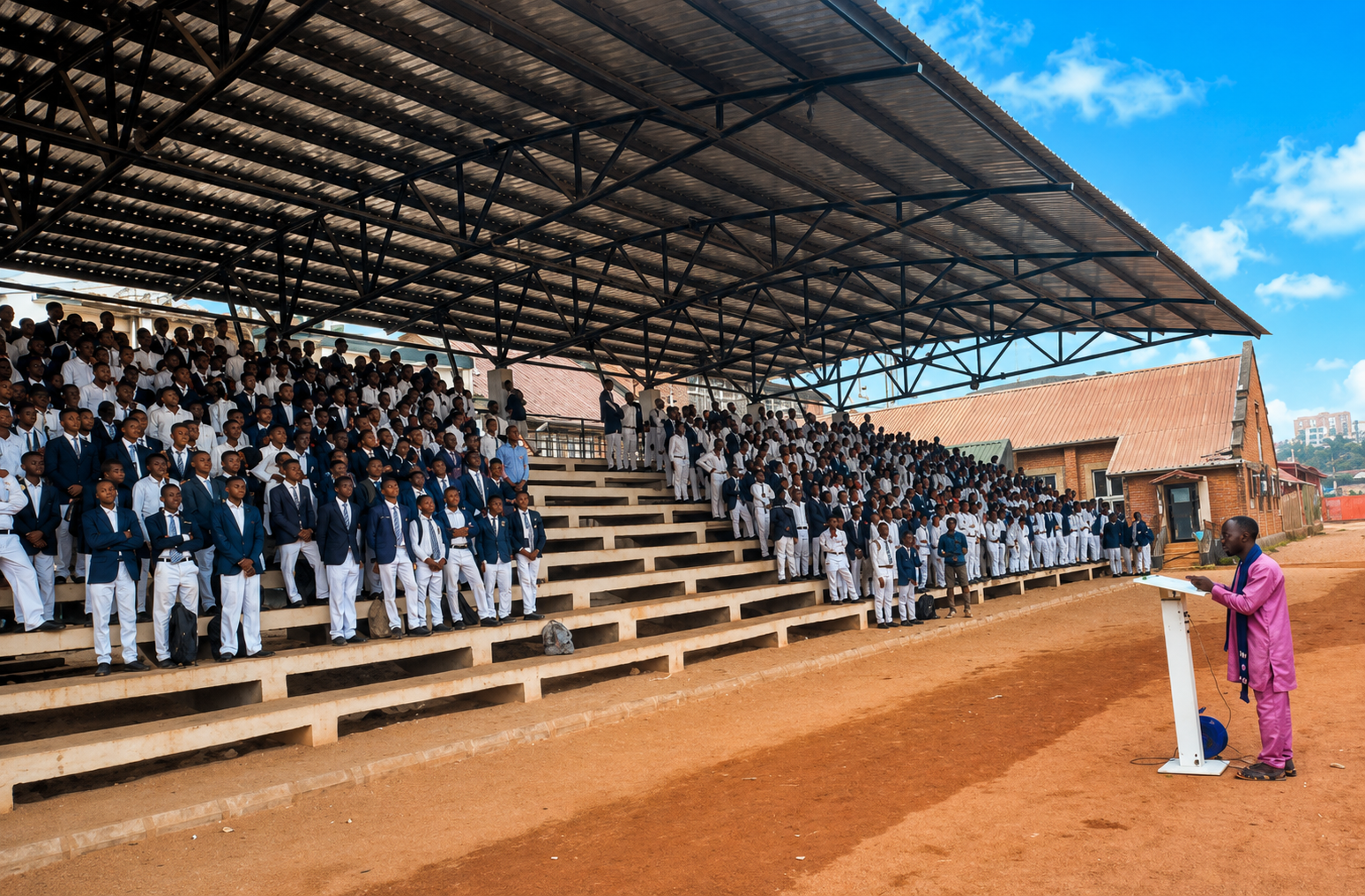
Climate change is one of the most pressing issues facing the world today. Its effects extend far beyond damage to nature, influencing economic growth, food production, public health, infrastructure, and long-term development. For Africa, where many livelihoods depend on agriculture and natural resources, climate change presents both serious challenges and opportunities to create a stronger and more sustainable future.
Although Africa produces only a small percentage of global greenhouse gas emissions, the continent faces some of the harshest consequences of climate change. Rising temperatures, prolonged droughts, severe flooding, irregular rainfall, coastal erosion, and declining biodiversity continue to affect our society and slow economic progress. Addressing these challenges requires collaboration among leading makers, businesses, development partners, and citizens to strengthen resilience and promote sustainable growth.
Climate change has a direct impact on the sectors that support Africa's economy. Agriculture, which provides jobs and income for millions of people, is becoming increasingly vulnerable to unpredictable weather. Poor harvests, livestock losses, water shortages, and land degradation threaten food supplies, reduce household incomes, and increase the rate of poverty and hunger.
Extreme weather also damages roads, bridges, schools, healthcare facilities, and power systems, placing additional pressure on public resources. Businesses experience higher operating costs, disrupted supply chains, and reduced productivity, making economic resilience more important than ever.
Economic resilience is the ability of areas, businesses, institutions, and local stakeholders to prepare for, adapt to, and recover from climate-related challenges while maintaining sustainable economic progress.
Building resilience requires continuous commitment to climate-smart policies and sustainable development. Key actions include:
Expanding renewable energy sources such as solar, wind, and hydropower.
Promoting climate-smart farming and sustainable agricultural practices.
Restoring forests, wetlands, and other natural habitats.
Improving water conservation and management.
Strengthening disaster preparedness and early warning systems.
Developing resilient transport, communication, and energy infrastructure.
These actions not only reduce climate risks but also create jobs, encourage innovation, improve livelihoods, and strengthen local economies.
Technology continues to play a vital role in responding to climate change. Artificial intelligence, satellite imagery, digital mapping, weather forecasting, and precision agriculture enable policy makers, researchers, farmers, and businesses to make better-informed decisions.
Across Africa, innovators are developing practical solutions that improve irrigation, monitor changes in ecosystems, reduce waste, and increase agricultural productivity. Renewable energy technologies are expanding access to electricity while reducing dependence on fossil fuels, creating opportunities for entrepreneurship and economic diversification.
Through innovation and collaboration, Africa can transform its ability to respond to climate challenges while advancing sustainable development.
Climate change is a global issue that requires collective responsibility. No nation can overcome its impacts alone. International cooperation remains essential for supporting climate adaptation, advancing scientific research, sharing technology, and strengthening institutional capacity.
Developed countries have an important role in assisting developing nations through climate finance, technology sharing, and support for sustainable infrastructure. Likewise, African policy makers must continue to be in line,encouraging private-sector participation, and developing policies that promote green economic growth.
Strong partnerships among public agencies, development organizations, funding partners, academic institutions, businesses, and local stakeholders will help ensure that climate action delivers lasting economic and social benefits.
Real change begins within local systems. Farmers, women, young people, Indigenous knowledge holders, entrepreneurs, researchers, civil society organizations, and traditional leaders all play an essential role in protecting natural resources and implementing sustainable solutions.
Across the continent, local stakeholders are restoring forests, planting trees, protecting wetlands, conserving biodiversity, adopting climate-smart farming practices, promoting renewable energy, and raising awareness about caring for nature.
Providing communities with funding, climate learning programmes, technical support, and inclusive policies strengthens both ecological sustainability and economic resilience.
Plant Together Organization believes that healthy ecosystems and thriving economies go hand in hand. Protecting nature today creates stronger workforce tomorrow.
Our mission extends beyond planting trees. We are committed to restoring degraded landscapes, promoting climate learning, increasing awareness of climate issues, supporting sustainable livelihoods, and working with local stakeholders to create lasting ecological and economic benefits.
Every tree planted contributes to cleaner air, healthier ecosystems, richer biodiversity, carbon storage, and stronger resilience against climate change. Through collaboration, transformation, and ecosystem restoration, we aim to inspire individuals and entities to become active participants in building a greener future.
The future of Africa and the global region depends on the decisions made today. Supporting renewable energy, protecting ecosystems, encouraging innovation, strengthening climate policies, and impacting local stakeholders are essential steps toward achieving lasting economic resilience.
Africa has abundant natural resources, entrepreneurial talent, and innovative potential. With long-term commitment, responsible leadership, and global cooperation, the continent can turn climate challenges into opportunities for inclusive growth and sustainable development.
Plant Together Organization remains dedicated to restoring ecosystems, promoting climate action, and building partnerships that marks resilience across Africa and beyond. Together, we can restore nature, create skilled economies, build legacies, and create a healthier and more sustainable future for generations to come.